
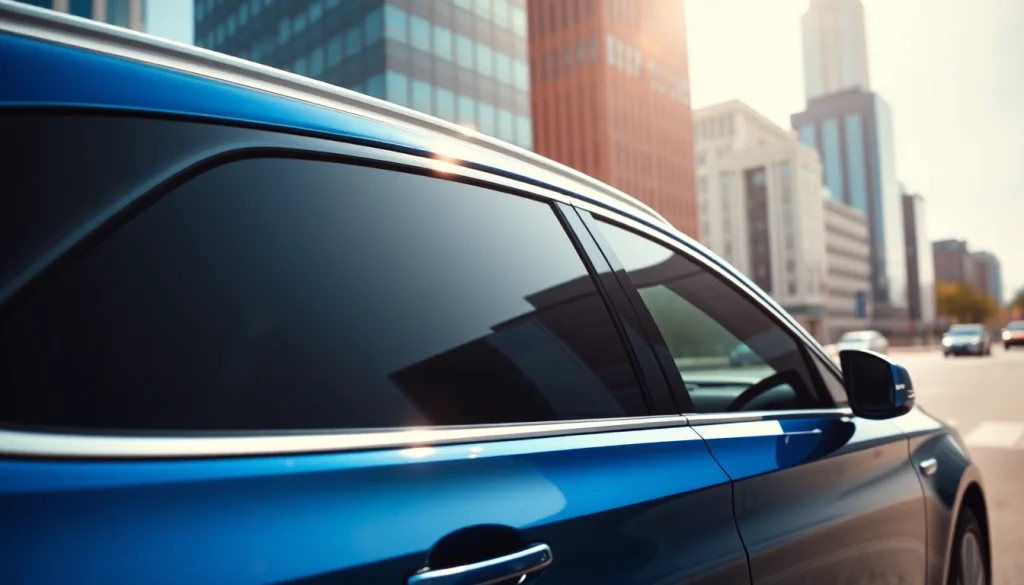
Understanding Window Tinting Cleveland TN
What is Window Tinting?
Window tinting is a process of applying a thin film to the interior side of a vehicle’s windows or residential windows to reduce glare, heat, and UV rays from the sun. The film can vary in darkness and reflectivity, providing both aesthetic and functional benefits. In Cleveland TN, window tinting has become increasingly popular among vehicle owners and homeowners who are looking to enhance their comfort while protecting their interiors and skin from harmful sun exposure.
Moreover, the application of window tinting film does not only serve visual appeal; it also involves advanced technology that helps in energy conservation and increases privacy. By selecting an appropriate tint, users can significantly improve the functionality and appearance of their windows. For those considering this enhancement, exploring window tinting Cleveland TN can lead to numerous benefits.
Benefits of Window Tinting Cleveland TN
The advantages of window tinting extend beyond mere aesthetics; they encompass comfort, privacy, and protection. Some of the most significant benefits include:
1. UV Protection: Window tinting can block up to 99% of harmful ultraviolet (UV) rays, which helps in preventing skin damage and reduces the fading of your interior.
2. Heat Reduction: Tinted windows can significantly reduce the amount of heat entering your vehicle or home, improving comfort and reducing reliance on air conditioning systems.
3. Privacy and Security: Depending on the darkness level chosen, window film can enhance privacy for passengers and valuables left inside the vehicle and deter potential theft.
4. Glare Reduction: Window tinting minimizes glare from the sun, making driving and your activities at home more comfortable.
5. Energy Efficiency: With the reduction of heat entering through windows, energy costs can drop as climate control systems work less hard to maintain optimal temperatures.
6. Aesthetic Appeal: Tinted windows can give a sleek and sophisticated look to any vehicle or building, enhancing the overall appearance.
7. Increased Safety: Window tinting can help hold shattered glass together during an accident or break-in, providing an additional layer of safety for occupants.
These benefits make window tinting a worthwhile investment for both residential and automotive applications in Cleveland.
Common Myths About Window Tinting
Despite the many advantages of window tinting, there are several misconceptions that can prevent people from considering it. Here are some common myths debunked:
1. Window Tinting is Illegal: Many believe that window tinting is against the law. However, regulations vary by state, and in Cleveland TN, there are guidelines in place that allow for legal tinting under certain conditions.
2. Tinted Windows are Very Dark: Many assume that all tints are excessively dark. In reality, there is a wide range of tint options, from light shades to darker films, allowing users to choose according to their preferences.
3. DIY Tinting is Just as Good: While some might think they can apply window film themselves, professional installation ensures a high-quality finish without bubbles or imperfections.
4. All Window Films are the Same: Not all window films provide the same level of UV protection or heat rejection. It’s essential to choose high-quality films that meet specific performance standards.
5. Window Tinting Will Void a Vehicle Warranty: Many car manufacturers allow window tinting, provided it conforms to the legal standards, so it’s often safe to proceed without worrying about warranties.
Understanding these myths enables consumers to make informed decisions regarding window tinting.
Choosing the Right Window Tint
Choosing the right window tint is crucial to ensuring you achieve your desired balance between aesthetics and function. Here, we’ll examine the types of window tinting films, factors to consider during selection, and how to evaluate the quality of the tint.
Types of Window Tinting Film
Understanding the different types of window tint films can help you select the one that meets your needs:
1. Dyed Window Film: These films are made with a layer of dye that can reduce glare and improve appearance. They don’t offer as much heat rejection as other types, making them less effective for serious climate control.
2. Metalized Window Film: This film features metallic layers that provide better heat rejection and strengthen window glass. They can interfere with electronic signals, such as those for GPS or cell phones.
3. Ceramic Window Film: One of the best options available today, ceramic window films do not contain metal or dyes, meaning they provide high heat rejection and UV protection without signal interference.
4. Carbon Window Film: This type offers a good balance between heat rejection and aesthetic qualities while retaining the fading of interiors and providing UV protection.
5. Hybrid Window Film: These films combine the best aspects of dyed and metalized films, providing effective heat rejection with a decent aesthetic finish.
Understanding these types can help you make a choice aligned with your requirements.
Factors to Consider in Selection
When choosing a tint for your windows, several factors should be taken into account:
1. Local Regulations: Ensure compliance with Cleveland TN’s window tinting laws regarding darkness levels and reflectivity.
2. Purpose: Determine the primary purpose of the tint—whether it’s for privacy, heat reduction, UV protection, or aesthetic purposes.
3. Aesthetic Preferences: Consider the visual appeal you wish to achieve. The right shade can significantly enhance the look of your vehicle or home.
4. Quality of Film: Research and look for reputable brands. Higher-quality films come with better warranties and perform better in terms of durability and effectiveness.
5. Installation: Consider whether you will install the film yourself or hire a professional. Professional installation generally provides better results.
By weighing these factors, choosing the right tint can be a smoother process.
How to Evaluate Tint Quality
Evaluating the quality of window tint can make a significant difference in performance and durability. Here are several tips for assessing tint quality:
1. UV Protection Level: Choose films with a certification indicating that they block 99% of UV rays, offering better protection for you and your interior.
2. Warranty Terms: Reputable manufacturers usually back their products with warranties, often ranging from several years to a lifetime, indicating their confidence in quality.
3. Visual Clarity: High-quality tints provide excellent clarity without distortion. Check for bubbles or scratches on the film before application.
4. Heat Rejection Ratings: Investigate the manufacturer’s heat rejection ratings to assess how well the film will work in keeping your interior cool.
5. Material Quality: Films made from high-quality materials tend to perform better in terms of longevity, fade resistance, and overall effectiveness.
By considering these factors, consumers can ensure they are selecting the highest quality window tint available.
The Window Tinting Process
Window tinting involves a detailed installation process that requires precision and proper tools. Let’s break down the process step-by-step.
Step-by-Step Installation Guide
Should you choose to install window tint yourself, here’s a general guide:
1. Prepare the Area: Clean the vehicle or window surface thoroughly to remove dirt and grime that could interfere with adhesion.
2. Measure the Glass: Carefully measure each window to determine the optimal film size, allowing a bit of overlap for trimming.
3. Cut the Film: Using your measurements, cut the window film with sharp scissors or a utility knife. Ensure smooth edges to prevent peeling.
4. Wet the Glass: Lightly spray a soapy water solution onto the glass, which allows for repositioning the film without it sticking prematurely.
5. Apply the Film: Position the film against the wet glass, ensuring it lays flat. Use a squeegee to press it down, removing water and air bubbles as you go.
6. Trim Excess Film: Once the film is applied, use a knife to trim any excess film and create a clean edge along the window frame.
7. Curing Period: Allow the film to cure for several days, during which it should not be rolled down or exposed to harsh conditions.
Following detailed installation steps reduces the risk of errors and maximizes film effectiveness.
Tools Required for Installation
To ensure the successful installation of window tinting, certain essential tools are needed:
1. Utility Knife: Used for precise cutting of the tint.
2. Squeegee: Essential for pressing the film firmly against the window and eliminating air bubbles.
3. Spray Bottle: Filled with a soapy water solution to wet the glass before application.
4. Measuring Tape: To accurately measure the window dimensions.
5. Lint-Free Cloth: For cleaning the glass and drying surfaces.
6. Heat Gun: Useful for shrinking and molding the film to perfectly fit curved windows.
Having the right tools makes the installation process smoother and more effective.
Post-Installation Care
After successfully installing window tint, proper care is crucial for ensuring longevity and performance. Here are some maintenance tips:
1. Avoid Cleaning for 30 Days: Allow the film to fully adhere before cleaning windows to avoid disturbing the adhesive.
2. Use Mild Solutions: When it’s time to clean, use a gentle soap and water solution to avoid damaging the film.
3. Soft Cloths Only: Always use a soft, lint-free cloth when wiping tinted windows to prevent scratches.
4. Avoid Mechanical Washes: Steer clear of automatic car washes for at least a month after installation to avoid damage.
5. Regular Inspections: Regularly inspect the film for signs of bubbling, peeling, or fading, and consult a professional if issues arise.
Following these care tips can greatly extend the life of your window tint.
Legal Aspects of Window Tinting Cleveland TN
Before applying window tinting, it’s essential to be aware of the legal stipulations in Cleveland TN that govern window tinting practices.
Tinting Regulations in Cleveland
Cleveland TN has specific regulations concerning window tinting, which may include:
1. Visible Light Transmission (VLT): New laws typically dictate the minimum VLT percentage for front and rear windows. It’s crucial to understand regulations to avoid fines.
2. Reflectivity Limits: Some areas impose limits on how reflective a tint can be, which is particularly pertinent for windshield tints.
3. Color Restrictions: Certain tints may be prohibited for safety reasons, such as bright colors that impede visibility.
4. Window Types: Different rules may apply to various window types, including side windows, rear windows, and windshields.
Being knowledgeable of these regulations can save you from potential legal trouble after tinting.
Consequences of Non-Compliance
Failing to comply with local tinting regulations can lead to several repercussions:
1. Fines and Penalties: Law enforcement may issue fines for illegal tints, leading to unexpected expenses.
2. Mandatory Removal: In some cases, officials can mandate the removal of non-compliant tint, incurring additional costs for labor and installation.
3. Insurance Issues: Violating tint laws can complicate insurance claims, potentially leading to denial of coverage if related incidents occur.
4. Increased Risk: Non-compliant tints may limit visibility, posing safety risks on the road.
Understanding and adhering to legal standards is essential to avoid these issues.
How to Check Tint Compliance
To ensure that your window tint is compliant with local laws, consider these methods:
1. Consult Local Regulations: Refer to Cleveland TN’s state vehicle regulations online for current tinting laws.
2. Use a Tint Meter: Many auto shops have tint meters, which professionals can use to measure the percentage of visible light transmission through the window.
3. Seek Professional Help: If unsure, consult an established auto tinting service familiar with local laws to verify compliance before installation.
4. Look for Certification Labels: Ensure that the window film installed has certification labels indicating compliance with state laws.
By actively checking compliance, you can ensure that your investment in window tinting remains valid and within legal parameters.
Maintaining Your Window Tint
Maintaining tinted windows is crucial for longevity and appearance. Below are guidelines on proper maintenance practices, signs that your tint needs replacement, and techniques for restoration.
Cleaning Tips for Tinted Windows
Proper cleaning methods can help keep your tinted windows looking pristine:
1. Wait for the Curing Process: As mentioned, wait at least 30 days after installation before cleaning.
2. Use Safe Cleaners: Non-ammonia-based cleaners are safest, as ammonia can cause the tint to degrade.
3. Gentle Washing: Use soft cloths or sponges to avoid scratches, and avoid rough surfaces during the cleaning process.
4. Avoid Excessive Pressure: When cleaning tinted windows, use gentle pressure to prevent damage.
By adhering to these cleaning tips, you can keep your tint in excellent condition.
Signs Your Tint Needs Replacement
Recognizing when to replace window tint can save you from complications later. Here are some signs that replacement is necessary:
1. Fading: If the tint appears significantly lighter or discolored, it’s time for a change.
2. Bubbles: Air bubbles or peeling edges indicate that the tint is failing and should be addressed promptly.
3. Cracking: Signs of wear and tear such as cracks signify that the film has reached the end of its lifespan.
4. Warping: If the film appears warped or continues to lift away from the glass, this is a strong indication of the need for replacement.
Being vigilant about these signs can help ensure your tinted windows remain functional and attractive.
Restoration Techniques for Faded Tint
If your window tint has become faded or worn over time, there are a few restoration techniques to regain some aesthetic appeal:
1. Cleaning with Vinegar: A mixture of vinegar can help to remove surface grime and debris, improving the appearance.
2. Heat Application: Carefully using a heat gun can sometimes help to restore some flexibility to the tint and allow it to adhere better.
3. Re-tinting: In many cases, the best solution might be to re-tint the faded areas, ensuring compliance with local regulations.
4. Film Replacement: If restoration techniques are insufficient, consider replacing the tint entirely with a high-quality option for longevity.
Pursuing these restoration techniques can help maintain a polished and functional appearance for your tinted windows.
Frequently Asked Questions (FAQs)
1. How long does window tint last?
High-quality window tints can last anywhere from five to fifteen years, depending on the film type and installation quality.
2. Is window tinting expensive?
Costs vary based on window size, film type, and professional installation, but it’s generally considered a valuable investment due to its long-term benefits.
3. Can I remove window tint myself?
While DIY removal is possible, it may be best to hire a professional to avoid possible damage to the glass or vehicle surfaces.
4. Will window tint affect my visibility?
Properly installed window tint should not impair visibility; in fact, many tints reduce glare, enhancing driving safety.
5. Is window tinting legal in Cleveland TN?
Yes, but specific regulations dictate the allowable levels and types of tint. Always consult local regulations before installing.