
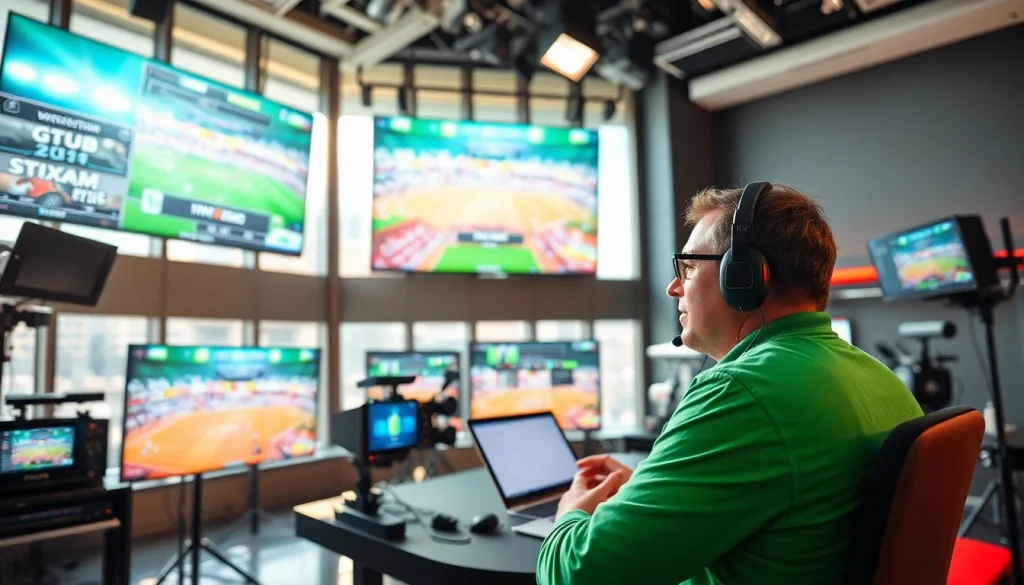
Understanding the Essentials of Sports Broadcasting
Sports broadcasting is an indispensable part of the sports industry, bringing exhilarating games, player insights, and vibrant commentary to millions of fans worldwide. This vibrant field intertwines entertainment, journalism, and technology to create a captivating experience for audiences. As everyone wants to plunge into thrilling matches, the role of sports broadcasting has evolved immensely over the years. As streaming becomes more common, understanding the fundamentals of Sports Broadcasting is crucial for aspiring professionals and fans alike.
Importance of Sports Broadcasting
The importance of sports broadcasting transcends mere entertainment. It plays a vital role in popularizing sports, driving economic benefits, and providing vast opportunities for marketers and advertisers. For fans, it’s the gateway to emotional connections with their favorite teams and athletes. Broadcasting not only fosters a sense of community among supporters but also enhances the visibility of sports globally. For players, good coverage can lead to song deals and endorsements, while networks benefit from advertising revenue driven by viewership.
Key Roles in the Broadcasting Process
The sports broadcasting process involves several key roles, each integral to delivering a polished production:
- Producers: They are responsible for creating the overall content and ensuring its smooth flow, coordinating between various teams and technical elements.
- Commentators: These individuals engage the audience with live play-by-play commentary, providing insights and analysis that enrich viewers’ experiences.
- Camera Operators: They capture the action from various angles, ensuring that viewers don’t miss key moments during the game.
- Sound Engineers: They manage audio levels, ensuring a clear broadcast that enhances both commentary and ambient sound from the event.
- Graphics Operators: Responsible for on-screen statistics and visual content, they keep viewers informed about scores, player stats, and other relevant information.
Types of Sports Broadcasting Formats
There are diverse formats for sports broadcasting, catering to varying audience preferences and technological trends:
- Live Broadcasting: This is the most traditional format, delivering real-time updates and commentary during the actual event.
- Delayed Broadcasting: Suitable for certain audiences, this method captures events and airs them later, allowing for the inclusion of commentary and analysis.
- Streaming Services: With the rise of digital technology, streaming platforms are transforming sports broadcasting, providing flexibility and personalized viewing experiences.
- Highlight Shows: These programs showcase the best moments of events, appealing to fans who may have missed the live action.
- Podcasts and Webcasts: Audio and video formats that provide in-depth discussions about events, interviews with players, and expert analysis.
Equipment and Technology in Sports Broadcasting
The backbone of sports broadcasting is its equipment and technology. The right tools determine the quality of a broadcast, ensuring that fans receive an immersive experience.
Essential Equipment for Broadcasters
For effective broadcasting, several pieces of equipment are essential:
- Cameras: High-definition cameras are crucial for capturing dynamic sports action, often used in multiple locations to provide varied perspectives.
- Microphones: Quality microphones are needed for capturing commentary, interviews, and ambient sounds, ensuring clarity and precision.
- Mixing Boards: Audio mixing boards allow operators to balance audio from various sources, integrating commentary, crowd noise, and player sounds seamlessly.
- Broadcast Switchers: These devices help switch between different video feeds during a live event, providing fluid transitions and dynamic content displays.
- Graphics Software: Essential for creating engaging lower-third graphics and scoreboards, this software keeps viewers informed and entertained.
Latest Technology Trends in Broadcasting
The field of sports broadcasting is continually evolving, especially with advancements in technology:
- Augmented Reality (AR): AR enhances viewer experience by layering graphics onto live broadcasts, offering insights like player stats and game information in real time.
- 360-Degree Cameras: Offering immersive views, these cameras allow fans to feel they are present in the stadium.
- Drones: Drones are increasingly used for aerial footage, providing unique angles that enhance the experience of viewing sports.
- AI and Machine Learning: Automated editing is becoming more common, where AI tools streamline highlight reel production, making the post-game experience even more accessible to fans.
Software Solutions for Streamlining Broadcasts
Various software solutions are increasingly being employed to optimize the broadcasting process:
- Broadcast Automation Software: This helps streamline the scheduling and management of content, ensuring timely broadcasts without hitches.
- Graphic Design Software: Tools like Adobe After Effects are used to create engaging visual elements that keep viewers informed and entertained.
- Content Management Systems: These platforms help broadcasters manage video content efficiently, allowing for easy access to archives and past broadcasts.
- Analytics Tools: These monitor viewership metrics, empowering networks to adapt content according to audience preferences and engagement levels.
Creating Compelling Sports Content
Producing engaging sports content requires significant creativity, technological prowess, and an understanding of audience engagement strategies.
Engaging Storytelling Techniques
Storytelling is at the heart of effective sports broadcasting. Techniques such as:
- Character Development: Following players through their careers can build emotional connections with audiences.
- Dramatic Timing: The strategic use of pacing and tension can heighten the excitement before crucial moments.
- Using Anecdotes: Incorporating personal stories and experiences of players adds depth and relatability, making broadcasts richer.
Utilizing Analytics for Enhanced Audience Engagement
In-depth analytics can significantly improve audience engagement by identifying what resonates with viewers. Effective strategies include:
- Monitoring Viewer Behavior: Understanding what content viewers interact with can guide production choices.
- Feedback Mechanisms: Engaging with fans via social media and direct feedback channels ensures broadcasts align with audience interests.
- Adaptive Content: Adapting content based on trends and analytics keeps broadcasts relevant and appealing.
Case Studies of Successful Broadcasts
Examining successful broadcasts can yield valuable lessons. For instance, major sports leagues adopting multiple angles and interactive elements have seen significant viewership increases. Real-time stats integration during vital game moments enhances viewer satisfaction and engagement.
Challenges in Sports Broadcasting
While sports broadcasting grows, it also faces numerous challenges that professionals must navigate effectively.
Addressing Live Event Emergencies
Live events can be unpredictable, with emergencies such as technical failures or unexpected incidents occurring. Preparedness is key, involving rehearsed protocols for swift resolution to minimize disruptions. Additionally, having backup systems ensures continuity and sustains viewer trust.
Navigating Rights and Legal Issues
Broadcasting rights can be complex, involving negotiations for content usage across platforms. Broadcasters must stay informed about legal issues and contracts to ensure compliance, making it essential to have legal experts readily available to navigate potential conflicts.
Competing in a Saturated Market
The sheer volume of broadcasting options can overwhelm audiences. To stand out, broadcasters must provide unique content, innovative formats, and better viewer engagement strategies. Offering exclusive interviews, behind-the-scenes content, and interactive elements can create a loyal audience base.
Future of Sports Broadcasting
As technology and viewer desires evolve, the future of sports broadcasting looks promising, yet requires continuous adaptation to maintain relevance and engagement.
Emerging Trends and Innovations
Several emerging trends indicate where the industry is headed:
- Personalized Broadcasting: Customization for individual viewers will enhance engagement by providing specific content tailored to preferences.
- Increased Accessibility: As technology advances, broadcasting will reach broader audiences, including underserved regions.
- Mixed Reality Experiences: Combining AR and VR will redefine viewer interaction, allowing fans to immerse themselves like never before.
Impact of Streaming Services on Broadcasting
Streaming services have revolutionized the landscape of sports broadcasting. They provide fans with the ability to watch events on various devices, offering flexibility that traditional broadcasting sometimes lacks. This trend is pushing broadcasters to innovate to retain audiences who may opt for streaming over traditional television.
Predictions for the Future Landscape
Based on current trends, the future will likely see even more collaboration between tech and broadcasting. Enhanced interactivity, data-driven sports analysis, and user-generated content are just a few areas poised for growth in the next decade. The landscape will remain competitive, but those who embrace innovation will thrive.
Frequently Asked Questions
What is sports broadcasting?
Sports broadcasting involves delivering live or recorded sports events to an audience through various media channels, including television, radio, and online platforms.
How has technology changed sports broadcasting?
Technology has introduced high-definition cameras, drones, and analytical tools, enhancing viewer experiences and allowing for more dynamic content presentations.
What are the key roles in sports broadcasting?
Key roles include producers, commentators, camera operators, sound engineers, and graphics operators, each contributing to a successful broadcast.
What trends are shaping the future of sports broadcasting?
Emerging trends include personalized content delivery, augmented reality experiences, and the integration of analytics for better audience engagement.
How can broadcasters address legal challenges?
Broadcasters can navigate legal challenges by staying informed about rights agreements, securing proper licenses, and consulting legal experts when necessary.